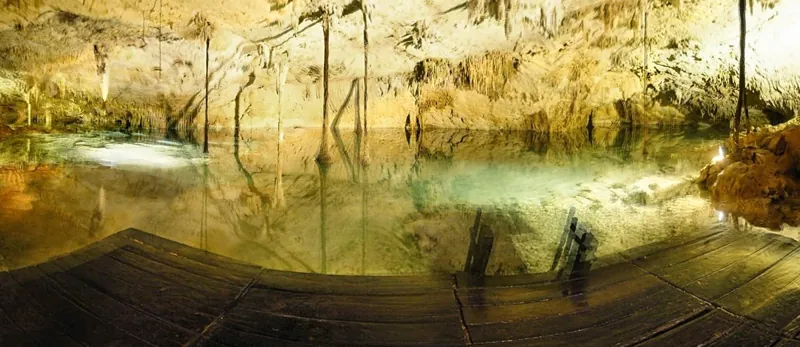
Snorkeling & diving in Taak Bi Ha
Some of the clearest water on the Riviera Maya. Float above the formations with a mask, or dive into the Sac Actun cave system with a certified guide.
Snorkeling at Cenote Taak Bi Ha
Taak Bi Ha is one of the best snorkeling cenotes near Tulum. Filtered through limestone, the water is almost perfectly transparent, so with a mask you see the cave carry on beneath the surface: submerged stalagmites, columns, rocks and small fish, all lit by a soft turquoise glow.
- Depth: roughly 1–4 m in the snorkel area, which is comfortable for beginners
- Gear: bring your own mask and snorkel, or rent them on site
- Life jacket: included with your ticket and required
- Guided tours: optional guided snorkel tours are offered at the cenote and by tour operators in Tulum and Playa del Carmen
Tip: fins aren't needed, and they can stir up sediment and damage formations. Move slowly and never touch the rock.
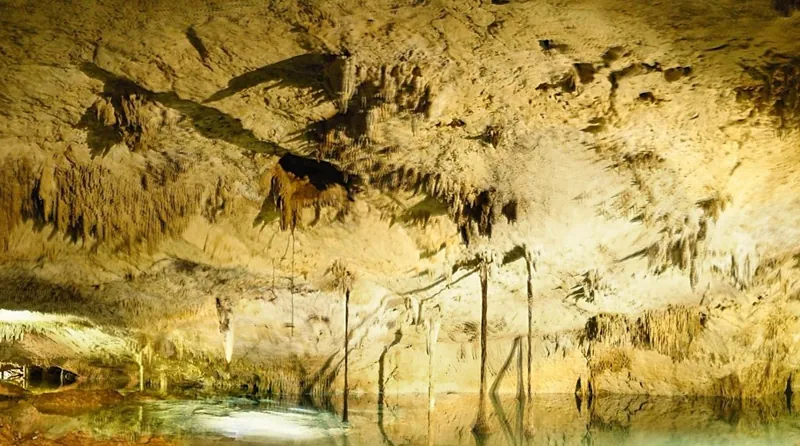
Cavern & cave diving
Taak Bi Ha connects to the Sac Actun / Dos Ojos system, among the longest explored underwater cave networks on Earth, with hundreds of kilometres of mapped passages. Its cavern routes show off decorated chambers, haloes of light and incredible visibility.
- Who can dive: certified divers only (Open Water minimum for cavern tours), always with a licensed cavern/cave guide
- Cave penetration beyond the daylight zone requires full cave certification
- Diver access fee: about $300 MXN per diver, usually paid by your dive centre
- Book with a reputable dive centre in Tulum, Akumal or Playa del Carmen
Never enter overhead environments without proper training and a guide. Cave diving accidents are almost always caused by untrained divers.
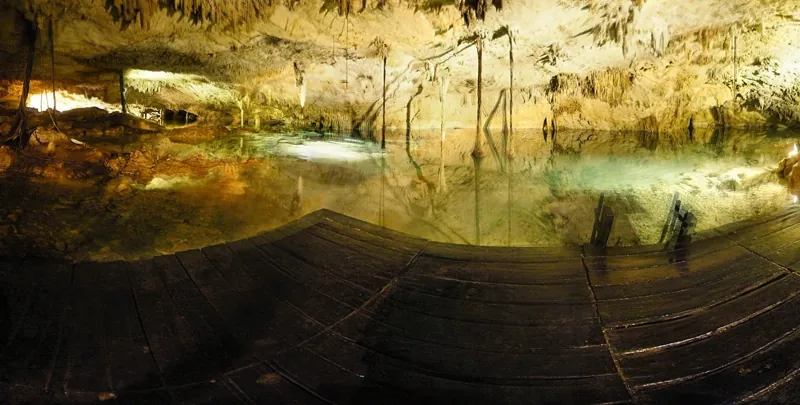
Swimming at Taak Bi Ha
Not a snorkeler? The cave is just as magical for a simple swim.
Calm water
No currents and shallow areas where you can stand.
Life jacket
Included and required for every swimmer.
Shower first
Required before entering, to protect the water.
Photos
Use a waterproof case. The lit formations reflect beautifully in the still water.
Snorkel and diving prices at Taak Bi Ha
Taak Bi Ha is run by the local community, not by the Dos Ojos park, and you pay at the cenote. Published prices vary by source and by what is included (guide, mask, torch). As listed on 9 October 2026; verify at the cenote:
| Source | Prices as listed | Hours as listed |
|---|---|---|
| Daypass.mx | General entry 400 MXN (50 online + 350 at the cenote); snorkel tour 450 MXN incl. guide, mask, underwater torch | 09:00–17:00 |
| Dive Cenotes Mexico | Diving 300 MXN; snorkeling 450 MXN; guided tour 600 MXN | 08:00–17:00 |
| Boundless Roads | 350 MXN; 400 MXN with a local guide | n/a |
| Nguide | General 450 MXN; guided 600 MXN | 09:00–17:00 |
Several sources suggest that the guided option is worth it: a guide with a light takes you through darker, river-like passages of the cave that you would not explore alone. An underwater torch makes a huge difference even in the main chamber.
The dive at Taak Bi Ha: what divers should know
According to Dive Cenotes Mexico, a dive centre in Akumal, Taak Bi Ha (which they translate from Maya as "hidden route of water") is a shallow but demanding cavern dive:
- Maximum depth about 7 m, average about 5 m, water around 25 °C year round.
- It is full of fragile stalactites, stalagmites and columns, so excellent buoyancy and trim are essential.
- They rate it as an advanced site and require divers to have already dived easier cenotes before being taken to Taak Bi Ha.
- Tanks can be lowered and lifted through a hole near the entrance with help from the cenote crew, for a small fee.
- Taak Bi Ha is part of the Sac Actun system, among the longest explored underwater cave systems in the world.
Requirements differ between dive centres, so ask yours what certification and experience they need before booking. Cavern diving always means staying within reach of daylight with a certified guide; going further into the cave needs full cave training.
Snorkel gear checklist
- A well-fitting mask (test the seal before you go) and snorkel; rental is available but your own is more comfortable.
- An underwater torch: it makes the formations visible in the darker parts of the cave.
- A waterproof camera with a strap.
- A thin rash guard if you get cold: the water is around 25 °C, cooler than the sea.
Responsible snorkeling
Cave formations grow over thousands of years and can be broken by a single kick. Keep your body horizontal, use slow movements, keep fins off (they are rarely needed here) and never stand on or hold formations. Don't feed fish, and leave nothing behind.
When to visit
Cenotes can be visited all year, and the water temperature hardly changes. The dry season (roughly November to April) brings cooler, sunnier days and more visitors, especially around Christmas, Easter (Semana Santa) and Mexican school holidays. The rainy season (roughly June to October) is hotter and more humid with afternoon storms; the Atlantic hurricane season runs from June to November, and cenotes can close temporarily after severe weather. Whatever the month, arrive at opening time for the calmest visit.
Cenote rules worth knowing
- Shower before you enter the water, every time.
- No sunscreen, insect repellent, lotions or make-up in the water.
- Life jackets are mandatory for swimmers in most cenotes.
- Don't touch, climb on or break formations.
- No food, drinks or glass near the water.
- Follow staff and guide instructions, especially in caverns.
Snorkeling tips for clear photos
- Go early. Fewer swimmers means less stirred-up sediment and better visibility.
- Bring or rent a torch. The formations come alive under a light.
- Float, don't kick. Low ceilings and shallow formations are close to the surface in places.
- Mind the ledges. Visitors report areas where you can stand knee-deep and then the bottom suddenly drops away.
- No sunscreen and shower before entering, as at every cenote.
Is Taak Bi Ha good for snorkeling?
Yes. It is a cave cenote with very clear water and formations close to the surface. A guided snorkel with a torch shows you more of the cave.
Do I need to be certified to snorkel?
No. Snorkeling only requires the life jacket that comes with entry. Diving requires certification and a guide.
How deep is Taak Bi Ha?
Dive Cenotes Mexico lists a maximum depth of about 7 m and an average of about 5 m.
Can I dive Taak Bi Ha as a beginner diver?
Generally not. Dive centres describe it as an advanced cavern dive that needs excellent buoyancy and prior cenote experience.
Sources
Prices and hours below were taken from these pages on 9 October 2026. They are as listed there, not verified by us: confirm before visiting.
Plan your snorkel
$350 MXN · open daily 09:00–17:00 · cash only